
We all wear masks, contextually, and to an extent. We may have to show up differently at work, while engaging with customers and clients. We have learned behaviors that make us feel safe in different environments. We may know that it is useful to present in a certain way to certain people in our lives, and it can be a form of protection.
Neurodivergent masking is defined by Dr. Lelanie Brewer as “the effortful suppression or modification, or compensation of neurodivergent traits in order to conform to social expectations or avoid negative consequences.” Brewer further describes that masking can include the “suppression of stimming or sensory seeking behaviors, consciously monitoring eye contact, tone, or facial expressions, imitating peers social behaviours, inhibiting movement despite internal dysregulation, concealing confusion or distress to avoid standing out, and over-relying on cognitive strategies to navigate social situations”. (Brewer, 2026)
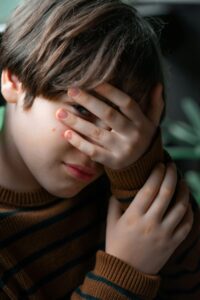
For children with neurodiversity (OCD, Autism, ADHD, Sensory Processing, trauma), masking can become a survival tool. Children who have been ridiculed, shamed, or made to feel less than for any differences in behavior, may learn to wear a mask. The mask helps them to feel safe, but it comes at a cost. We see these children performing, achieving, and not rocking the boat at school, to come home and meltdown rapidly and deeply.
Looking at masking from a sensory lens, children who can mask and hold it together for a length of time, say, at school use an exorbitant amount of energy to do so. The sensory environment at school may continue to bother them, may irritate them beyond belief, but because they are cautious of revealing this to peers and teachers, they learn to hold it in. And it comes at a cost for the child and family. It is also important to note that masking is a form of protection. It can help children feel safe in environments where safety may not be a guarantee (bullying, punishment from teachers). This is important to note; I am not suggesting that masking is a negative act, by any means; we just have to monitor the cost for our sensitive children.
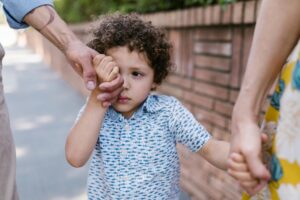
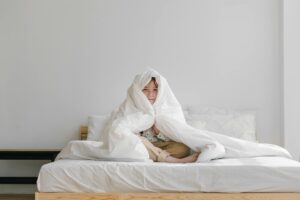
I have literally seen children, while waiting in a car to pick up my own children in the carpool line, unravel with each step towards their parents’ car, in some cases sobbing and collapsing into the car. Parents of children who mask may see an uptick in stimming (including vocal stimming), a need to immediately change or remove clothes when home, have a need for no contact or ability to speak to family members, a need for isolation, and more. We may also be able to relate to this on some level; something situation occurs at work, and we have to hold in our anger, frustration, or even rage until we get home.
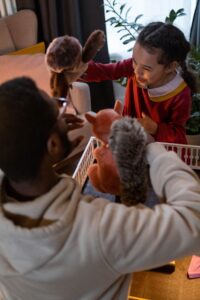
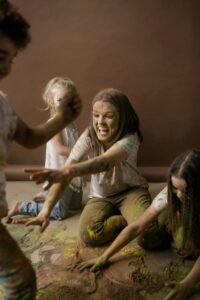
When a child or person is unmasked, we may see more goofy, silly, playful behaviors. More authenticity and less performing, even (especially) if they are releasing anger. And when they are allowed time to unwind after school or other demanding environments (even a birthday party in an overwhelming environment is a demand) with regularity, and particularly with good sensory supports, or even a sensory diet, we can start to see a more happy, regulated and adjusted child.
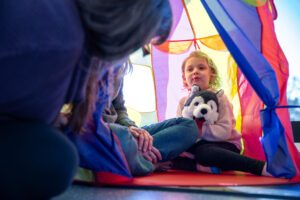
The reason to support your child and allow them plenty of downtime after being in demanding situations is to help them recover, recharge and refuel. I cannot talk about this enough! Allow your children to have downtime after school (free play, quiet time, playground, salt bath), and do your best to not pack their schedules so full that there is no time to rest. Keep an emergency snack bag filled with preferred treats handy for after school, or other events. Many children with sensory processing issues don’t always eat at school because the heightened state of arousal triggers the sympathetic autonomic nervous system response (fight/flight) that suppresses appetite.
It is my sincere wish for humanity to reach a point in our evolution where masking is not needed, at least as much as it is for so many people today. I’m choosing to envision a world in which we all feel comfortable and confident enough to be our quirky, weird selves, for that means that we feel safe enough to do so.
Brewer, L. (2026, January 28). Masking in neurodivergent and young people: The impact on mental health and externalising behavior. Sensory Integration Education. https://www.sensoryintegrationeducation.com/pages/news-masking-in-neurodivergent-children-and-young-people-the-impact-on-mental-health-and-externalising-behaviour#:~:text=Masking%20is%20not%20purely%20psychological%3B,complaints%2C%20or%20heightened%20sensory%20sensitivity.





.png)