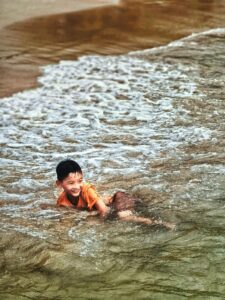
Ah, summer. A little more flexibility in the schedule, perhaps a little more travel, and definitely being off of the academic year routine (for many). Make the most of this season to support your child with sensory processing issues. These are some things that I have recommended (and have used with my own children over the years).
After the initial decompression, late nights, sleeping in, general chill time, these are some suggestions that may help your child.
- Using a visual schedule, or calendar. This is especially helpful if your child is navigating multiple camps or different schedules. You can verbally review the day, write it in a central place (chalk board wall, fridge dry erase magnet, or even a robust app like Skyline). This can really help soothe anxiety for children so they know what to expect each day. Try it out–it might surprise you!
- Outdoor time, fresh air, connection with peers. Look for splash pads, public pools, playground or park gatherings, hiking, camping, and simple picnics.
- Give your child some uninterrupted time, free from screens. Reading books together, tossing a ball, swimming, going for a bike ride, card games, board games, even just sitting together and talking.
- Have accommodations, and “Plan B” on the ready. I recommend developing mental flexibility around outings and events. It’s OK to leave early when your child becomes overwhelmed. Keep a backpack or tote with backup clothing, extra sunscreen, wipes, and emergency snacks, and any other accommodations that support your child when in stress.
- Allow for extra sleep and provide healthy snack and meal choices. This is fairly basic, but important. Consider magnesium over melatonin for sleep issues, and shopping at places like Trader Joe’s and Aldi for treats and frozen meals (as they don’t contain artificial food dyes and the preservatives in the frozen foods are much lower than the big brands).
Summer Through a Sensory Lens
I want to break down the sensory systems that we work with as occupational therapists, and spark some ideas of how to provide rich sensory input on the daily. Whether your child seeks out the sensory experiences, or avoids them (or both!), it is good to provide them with opportunities to get their needs met, or build tolerance, respectively. Many of these things overlap, and will be providing multi-sensory input.
Vision
Our visual system is, for many, is compromised with excessive screen use and indoor time. It’s incredibly important to give our children opportunities to expand their visual systems–and outdoors is the best place to be!
- Keep sunglasses on hand for kids who are visually sensitive
- Scavenger hunts (in nature)
- Water balloon games: tossing, aiming at target
- Ball games and sports, frisbee
- Crazy straws (binocular vision)
- Blowing bubbles and catching them on the wand
- Blowing dandelions that have gone to seed
- Soapy slip and slide
- Being outdoors!
Touch/Tactile
This is a very important system with which we experience our world. It is strongly linked to emotional regulation. If your child experiences sensitivities to sand, clothing changes, wearing sunscreen, engage in a lot of the muscle/proprioception based activities below before and after the touch/tactile activities.
- Sunscreen, bug lotion (use firm pressure if your child is sensitive, or let them help to rub it into their skin)
- Body paint, face paint
- Walking barefoot
- Wearing rash guard shirts if sensitive about wearing less clothing
- Sandcastles, mud pies
- Loofahs, silicone scrubbers in the bath
- Homemade slime, play dough
- Baking, cooking
- Lakes, ocean, creeks, pools
- Running through the sprinkler
Movement/Vestibular
This sense helps us with attention, focus, and balance. We tend to be far more sedentary than is good for us, so keeping active this summer is real medicine for your children. This sense can overstimulate some kids (especially with spinning) if they get too much, engage in the muscles proprioception activities below afterwards.
- Hammocks
- Swings
- Riding scooters, bikes
- Wagon rides
- Merry Go Round
- Swimming
- Amusement park rides
- Practicing somersaults and cartwheels
- Water slides, slip and slides
- Trampoline, bouncy houses
Muscles/Body Awareness/Proprioception
This sense is unique; using the muscles and stimulating the joints of the body help the body get more information about itself (in regards to moving through space) for better coordination, and also can help to soothe and/or stimulate the nervous system to bring it into stasis. So, if you are tired, muscle activity can “bring you up” and if you are overwhelmed, muscle activity can “bring you down”. This is why this sense is so crucial, and it is hands down, the best thing to use with your child when in doubt.
- Rock climbing, scrambling
- Tree climbing
- Monkey bars
- Riding a bike
- Paddling/kyaking
- Animal walks: bear, tiger, crab, snake, cat, etc.
- Yoga poses
- Trampoline, jumparoo
- Tug of War
- Potato sack races
- Hippity Hop bouncing ball
- Swimming
- Running races
- Hand clapping games like “Mary Mac”
Oral Input
If your child is a nail biter, puts pens, clothing or hair in their mouth, it’s good to encourage alternative outlets for this sensory need. The need to chew *can* be linked to retained primitive hand reflexes, so if you notice this need (or if they are moving their mouth a lot) when drawing or crafting, have resistive snacks or chewy toys available.
- Using crazy, silicone, eco, or stainless steel straws
- Silicone chewy toys and necklaces
- Crunchy, chewy, resistive snacks (apple wedges, granola bars, bagels, carrot sticks)
- Whistles, harmonicas, wind instruments
Sound/Auditory
This sense can really affect our level of regulation–so if your child needs accommodations such as headphones and ear plugs to participate, please allow them! Music can help to calm us down–especially organized classical music (Bach, Mozart), and binaural music, or rev up–depending on what we need at the moment.
- Listening to music
- Having earplugs and headphones to reduce noise for sensitive kids, during fireworks, loud sports games, loud concerts
- Whispering games like “Telephone”
- Freeze dance
- Simon Says
- White noise, noise machines, or fans to help with sleep
- Outdoor concerts and festivals where there is a lot of green space to move (bring those headphones!)
Smell + Taste/Olfactory + Gustatory
As many of us have learned during the pandemic, these senses are very linked. Some children are very smell sensitive, so much so that it can limit places that they can be in. Others love to smell things; toys, objects, etc. to understand them.
- Dye and scent free laundry soaps for sensitive children
- With picky eating, exposure to the foods is great–over forcing bites or for them to eat a certain amount–such as handling, washing, helping with prep
- Family style meals with the food on the table versus being brought a plate
- For smell “seekers”, try working with natural scents and tastes: fresh lemon or lime, orange wedges, pepper flakes, kraut, and complex flavor profiles
- Using essential oils versus synthetic fragrances (please note that you should treat essential oils like a medicine; keep them out of reach of your children, and if you are working with the oils, avoid undiluted direct skin contact)–nasal inhalers can work well for this!

Kate Drummond, OTR/L
Kate received her degree in Occupational Therapy in January 1997 from Keuka College, New York. Kate has worked in hospitals (adult and pediatric) including Children’s Healthcare of Atlanta at Egleston, outpatient clinics, and in the natural environment. Kate started AboutPlay in 2003. She is an intuitive empath, and has always had a passion for holistic healing. She has trained in a number of holistic clinical modalities including aromatherapy, reflexology, meditation, and yoga.
